


If There’s No “So What,” Don’t Brief It
nformation is only valuable when it helps someone think, decide, act, or understand something important.
Otherwise, it is clutter.
A team can be constantly updating each other and still not be thinking clearly.
A leader can be constantly informed and still not be leading effectively.
A meeting can be full of updates and still produce no movement.
That is why “So what?” is such a powerful question.
It cuts through the clutter.
It asks people to move beyond reporting and into judgment.

Better Followership Matters Too
Everyone talks about better leadership. Far fewer people talk about better followership. But if we want healthier teams, stronger cultures, and less leader dependence, we need to talk about both.

Do Youth Sports Teams Always Need a Captain?
At the start of most youth sports seasons, there’s a familiar moment.
The coach names a captain.
It feels like leadership.
But the more time I spend coaching, the more I find myself asking:
Do we actually need one?
Because when we give leadership to one player, we may be doing more than recognizing it.
We may be quietly limiting it.
In youth sports, the real opportunity isn’t to identify a leader.
It’s to help every player learn how to lead.
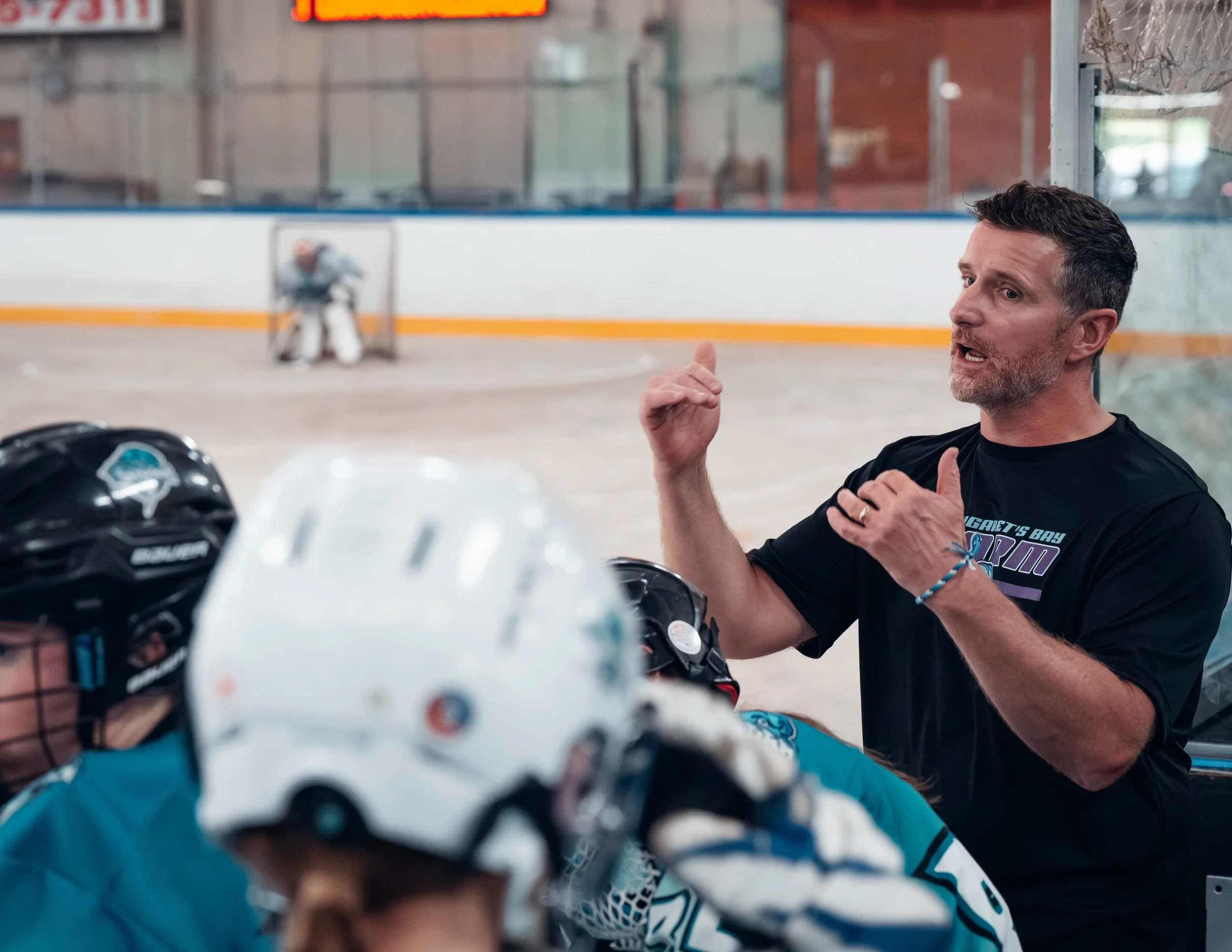
You Are a Leader. NOT just a Coach.
I may never understand every rule of lacrosse. I may never design the perfect play. But I do know what my job is. Create an environment where kids feel safe enough to try. Safe enough to make mistakes. Safe enough to support each other. And safe enough to come back next year. Because the moment you step into the role of coach…You are no longer just a coach.
You are a leader.
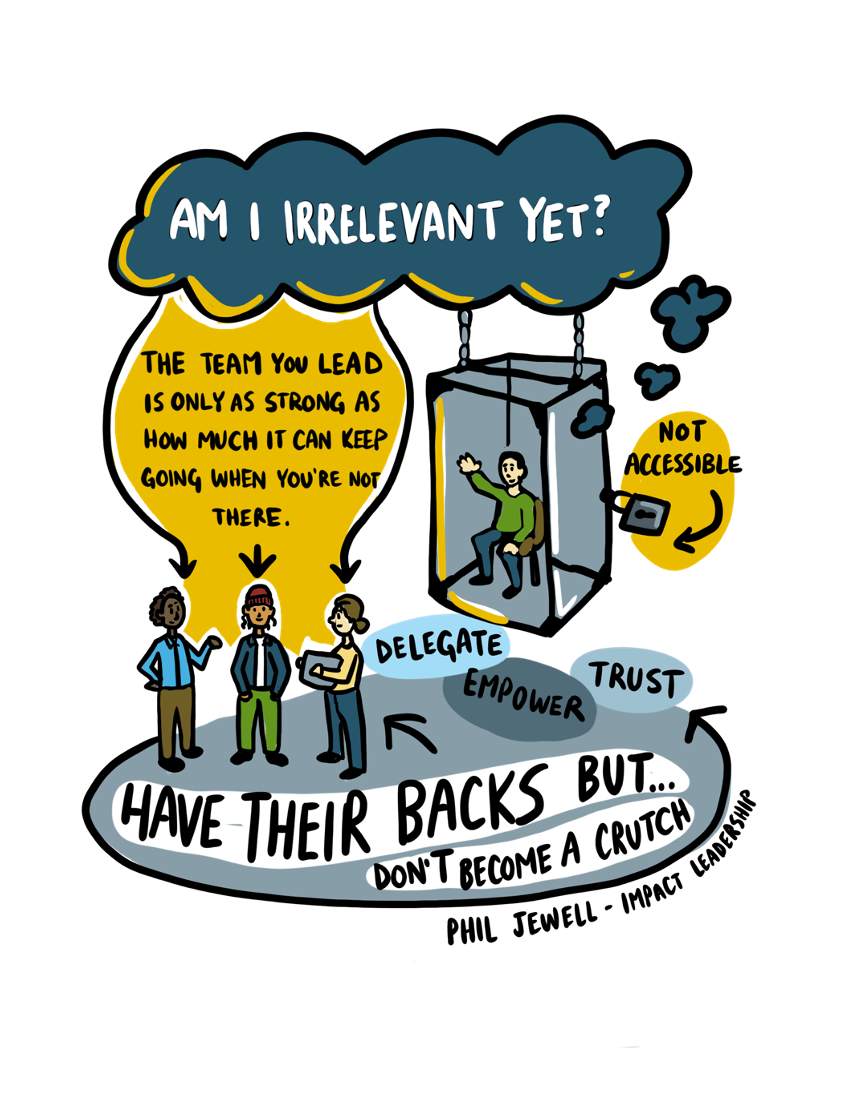
What Soldiers Taught Me About Leadership
Leadership isn’t about being the person everyone depends on. It’s about building people who can operate confidently without you. The real test of leadership isn’t what happens when you’re present - it’s what happens when you’re not.
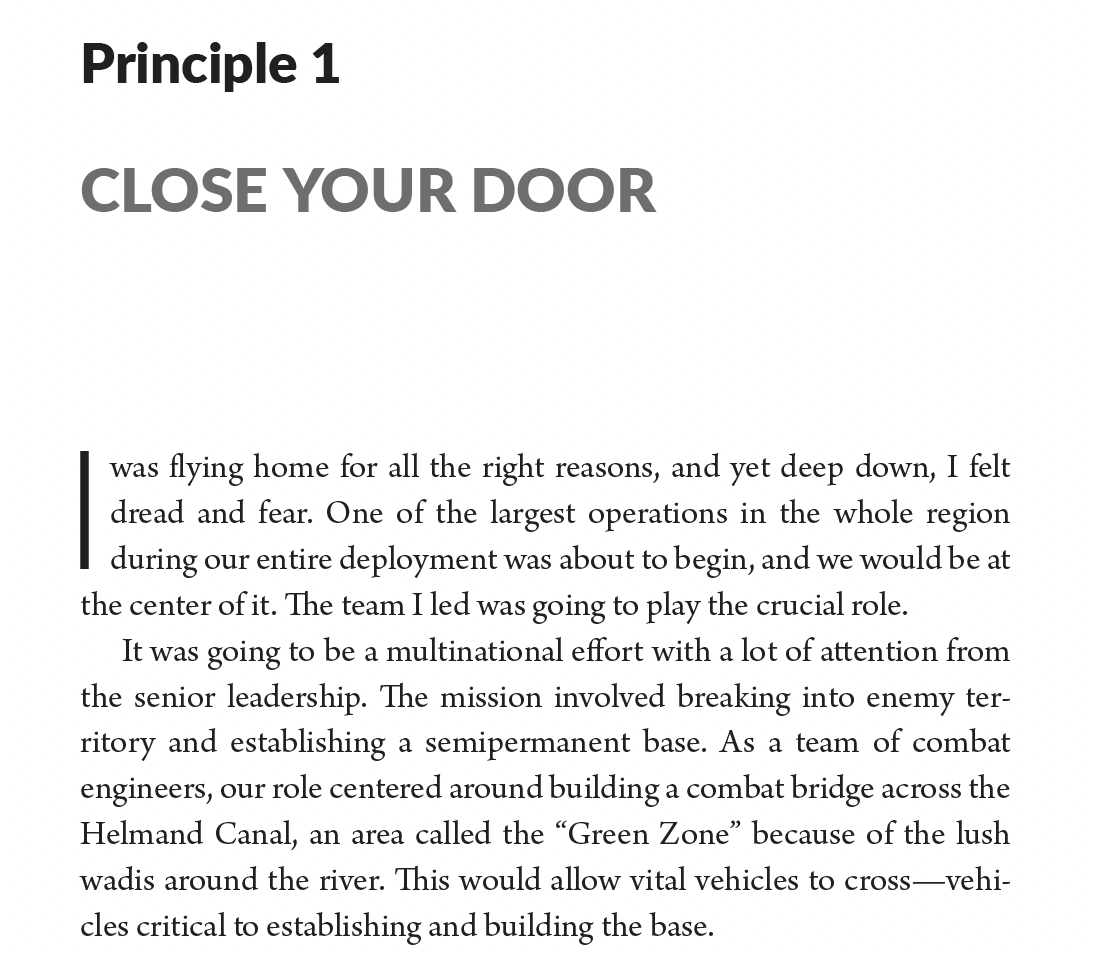
Close Your Door: Why Being Too Accessible Hurts Your Team
Closing the door is less about limiting their access to us. It’s about limiting our access to them in periods when they are learning and growing.

Why Organizations Need Two Paths to Progress — the Leadership Path and the Technical Path
In most organizations today, there’s only one way to move up: you have to become a leader.
But here’s the problem: not everyone wants to lead people.
And that’s okay.
Why Your Team Won’t Take Ownership (and Why It’s Your Fault)
Ownership requires freedom — the freedom to make decisions, solve problems, and even make mistakes. If every step requires your approval, your team isn’t leading anything. They’re just following instructions.

The Accidental Micromanager: Why Helping Too Much Hurts Your Team
Dictator micromanagers crush teams with control. Accidental micromanagers smother them with help. Both kill accountability and performance.

How to avoid being a micromanager: BECOMING IRRELEVANT MAKES YOU INvaluable
It sounds strange, doesn’t it? How can being “irrelevant” possibly make you more valuable? But that’s exactly the paradox of leadership I learned through hard experience.

How to avoid being a micromanager: Leadership Isn’t About being the Hero
The real hero move is making yourself less central, not more. It’s ensuring that when you step away, your team keeps moving forward — maybe even faster. It’s developing people so well that you don’t need to be in the room for the work to thrive.
So next time you catch yourself trying to be the hero, stop. Ask instead: How can I create the space for someone else to rise?
That’s the leadership story worth telling.

HOW TO AVOID BEING A MICROMANAGER: You exist for them. they don’t exist for you.
“How well can my team move forward if I’m not there?”
If the answer makes you uneasy, you’re not alone. Letting go is uncomfortable. But it’s the only way to build a team that doesn’t need a hero—just a leader who trusts them to lead.
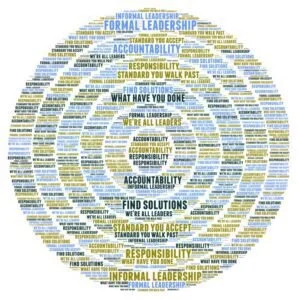
We’re all leaders anyway
As someone who is in a formal leadership position I think there is one phrase that often frustrates me the most. It takes many forms, but sounds something like: “that’s what management’s for”, “that’s a chain of command issue” “that’s the higher ups job” etc. Well, no, it’s not just their issue and their responsibility. It’s equally yours and mine, as collectively, we are responsible for our working environment and all that it entails. We are the ‘system’.

Character over competence
I’ve met and worked with many ‘leaders’ whose technical competency, level of knowledge in their subject area, and knowledge of the organisation we worked for far outshone mine. But, even though making yourself a subject matter expert might help you progress into formal leadership positions it does not make you a leader.

Best before date: knowing when it’s time to move on
At the ripe age of 19 when I was entering my second year of university, my Dad retired from a very successful teaching career. During the final ten years of his career he had been the principal of a large high school that gained a reputation as one of the best schools in the region. I distinctively remember asking him why he would retire from such a successful environment, and he stated that it was time for fresh ideas and for someone else to move the school forward. At the time, I didn’t understand this. However, as I have progressed in my own career and life I have become very familiar with that feeling and have worked with too many people who simply didn’t know that they’d reached their best before date.

Great leaders go home
There are many who will vehemently disagree with this. But I’m not one of them. It’s not supposed to be like this; working longer and longer to be given more and more responsibility and more and more money. Did you notice the subtle difference in words I used? Longer and longer, not harder and harder, because we’re not. I’ve worked in organisations where people literally sat at their desks from 8 in the morning until 10 at night. There is no way that anyone can focus intently and produce great work for that amount of time. So I would watch them, and I noticed a pattern that we are probably all too familiar with.

We all have a responsibility to develop those around us
We all have a responsibility to develop those around us, and coaching and mentoring is a key trait of any great leader. We can rely upon formal corporate training if it is offered, but to really propel your team forward you need to take up the slack yourself.
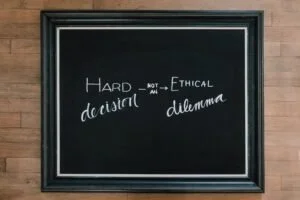
Its just a hard decision, not an ethical dilemma
Ethics often form a significant part of an organisations vision and mandate, outlining why they are important and what they mean to that organisation. They form the foundation of the organisations culture. Any managerial or leadership training will often include discussion around ethics, and this sort of training is extremely important if we want to try and create a culture that resonates with the people we serve.

The Recipe of Teams
So, my wife bakes. She bakes a lot and it’s great. Using recipes, she has mastered knowing what to put into the mix and what the outcome should be. If she’s short an ingredient, she’ll make it up somewhere else and then off-set that as required. But the outcome is always the same: great!
Now think of teams as the ingredients and the effectiveness of these teams as the end result. We put teams together with the right selection of individual characteristics to make sure the outcome is great, right? Well, no, we don’t…and you see, this is the problem.

The risks from the 5% will be eclipsed by the greatness of the 95%
If you can trust the 95% then don’t base policies and procedures on the other 5%. The exact figure is not relevant, but the principle is; many organizations suffer from an internal policy-making culture that bases processes and procedures on the 5% that can’t be trusted. It’s why even sometimes the simplest of approvals and processes need some sort of senior management sign off.